The Bronx Fire: Systems of Neglect
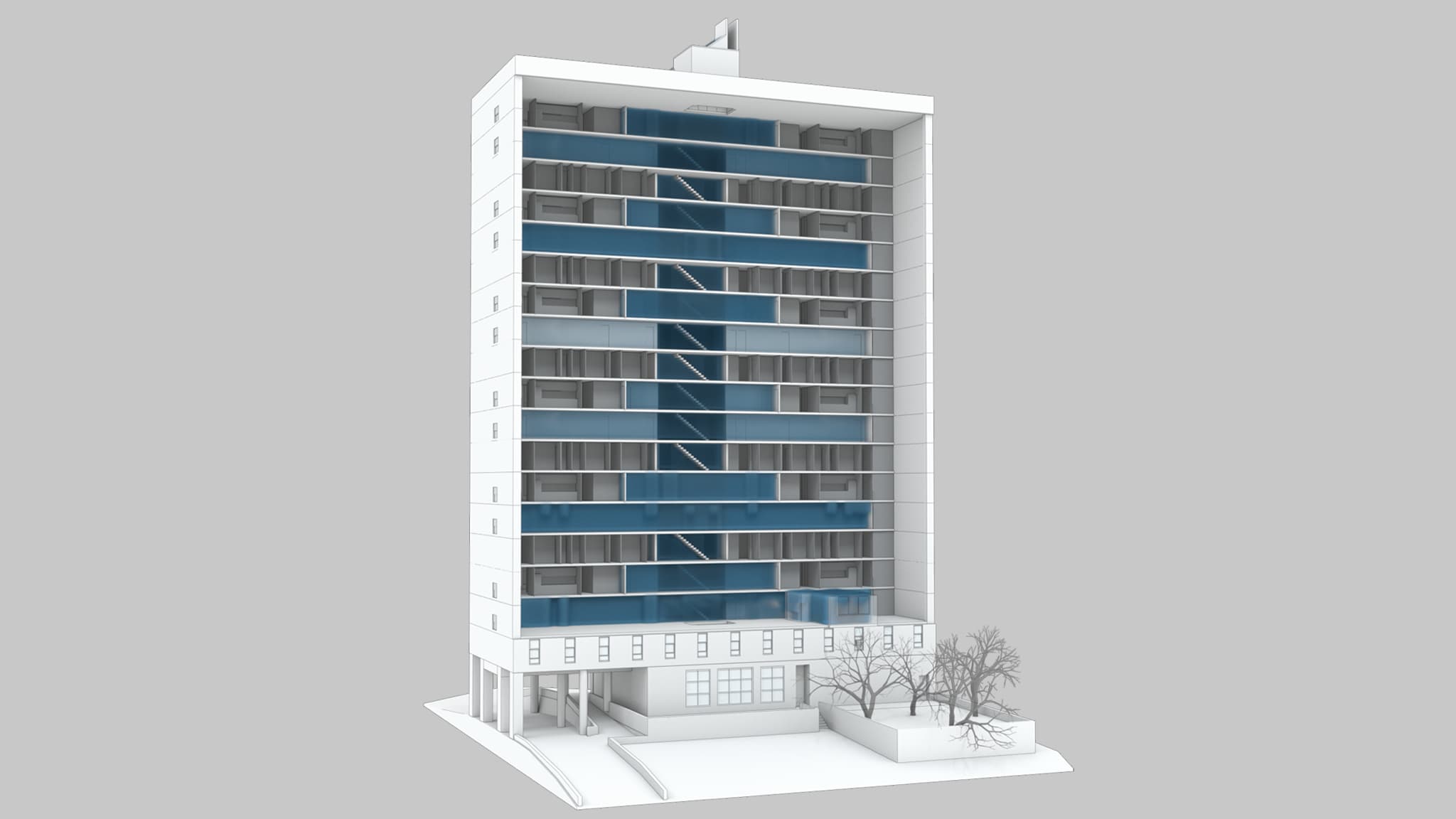
An investigation into the structural failures and neglect that contributed to one of New York City’s deadliest fires in decades.
The New York Times
On January 9, 2022, a fire in a Bronx high-rise claimed 17 lives. None of the victims died from burns. They died from smoke inhalation, many several floors above the apartment where the fire began. A New York Times investigation, grounded in floor plans, witness videos, 911 calls, and city records, traced the smoke’s path from ignition to containment. It revealed a building built before modern fire codes, without sprinklers or automatic fail-safes, reliant on a containment strategy that failed catastrophically.
Early in my career at The Times, I began researching smoke simulations and how they could translate into reporting. I later applied that work on wildfire coverage, and that proof of concept opened the door to more advanced work, culminating in the Bronx fire. Working with fire engineering experts at Worcester Polytechnic Institute, Fire Dynamics Simulators modeled how smoke rapidly rose through stairwells, turning them into vertical chimneys. I led the integration of these outputs into a base 3D building model a colleague built from floor plans, verifying the results by cross-checking them against engineering analysis and our source material.
From there, I reported out the visual story, untangling an event that unfolded across 19 stories by guiding readers floor by floor through a moment-by-moment reconstruction as conditions deteriorated. The result became the newsroom’s longest 3D visual, clarifying how smoke, not flames, drove the death toll. The project was later named a finalist for the 2023 Pulitzer Prize for Breaking News.
Update: In the aftermath, New York passed legislation mandating stricter enforcement of self-closing door requirements.